




20 Aug RBA Rate Cuts Ripple Effect: Why Housing Data Matters More Than Ever

The Reserve Bank of Australia (RBA) has reduced the cash rate by 0.25 percentage points, bringing the official interest rate down to 3.6%, following its August monetary policy meeting. This latest adjustment, the third cut this year, aims to stimulate economic activity, ease mortgage pressures, and boost buyer confidence in the housing market.
Lower interest rates improve borrowing capacity for many and encourage housing market activity. However, the effects are not uniform across households and communities. While some households may benefit from reduced repayments, others will face challenges such as constrained housing supply, higher purchase prices, and great competition for rentals.
Assessing implications for communities demands more than general market analysis and commentary. It requires detailed, localised information showing how housing trends, affordability, and demand are changing over time.
The REMPLAN Housing Affordability Explorer offers a free snapshot of mortgage and rental payments as a share of household income, highlighting where costs exceed the 30% affordability benchmark. REMPLAN Housing profiles build on this foundation by combining the latest market, demographic, affordability, and housing stress data into one resource, providing a clearer picture of local impacts and emerging trends.
Behind every housing headline lies a local story about affordability, demand, and the people affected. Localised data reveals what’s happening on the ground.
- Track affordability in changing market conditions
A rate cut can ease affordability pressures. However, in areas with low housing supply, increased buyer activity can also drive prices higher. Locality data identifies where affordability is improving and where it is decreasing.
- Reveal uneven impacts across your community
Some households may see monthly savings, while others, particularly first home buyers, face ongoing challenges from competition and rising prices. Understanding local affordability by income type and tenure assists with policy and targeting interventions to where they are most needed.
- Monitor housing stress over time
Tracking historical and current mortgage and rental stress data reveals whether affordability gains from lower interest rates are short lived, or part of a longer term trend.
- Connect market activity with demographic shifts
Rate cuts influence buyer demand, rental patterns, and household movement. Comparing market trends with demographic data shows whether these changes are likely to meet local housing needs, or create new pressures.
The latest RBA rate cut is more than a headline; it’s a shift that will be felt differently in every community. Reliable, localised housing data provides the evidence needed to understand who is benefiting, where affordability is shifting, and what the long term impacts may be.
Discover what’s happening in your local housing market with REMPLAN Housing
REMPLAN Housing profiles provide detailed, location-specific insights into housing markets. They bring together economic, demographic, and property market data to assist councils, planners, and policy makers to understand current conditions and monitor change over time.
For your chosen region, REMPLAN Housing profiles deliver insights including:
- Mortgage and rental stress by income level
- Housing affordability measures
- Demographic insights covering population, homelessness, and workforce participation
- Market trends showing median house, unit, and land prices over time
- Dwelling demand forecasts alongside building approvals data.
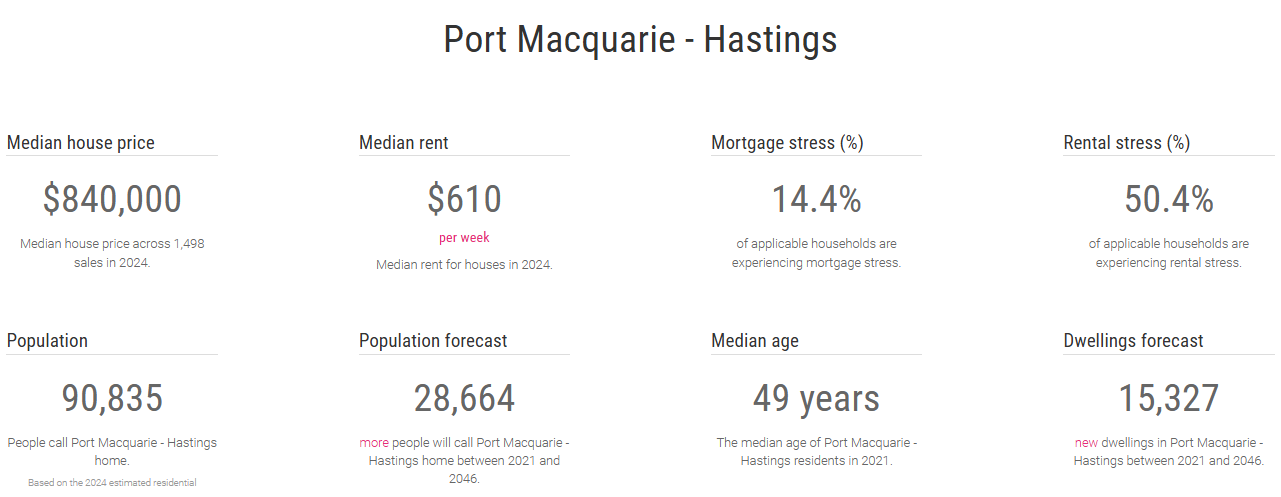
Explore how housing stress and affordability are shifting in your community
Every community experiences housing market changes differently. Having access to up-to-date localised data is essential for understanding affordability, demand, and long-term trends.



.
.

No Comments