


Flinders Structure Plan Inputs
Flinders Island is home to a unique landscape, small population, and a complex history.Date
April 23, 2026
Flinders Structure Plan Inputs
Strategy & EngagementBackground
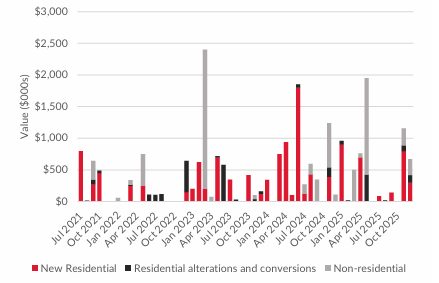
Flinders Island is a small, remote municipality with a stable but capacity-constrained economy shaped by agriculture, tourism, construction, and essential services. While employment demand exists across these sectors, the Island faces persistent challenges related to workforce availability, housing constraints, and service provisions, compounded by a limited resident labour pool and a high proportion of intermittently occupied dwellings. In response, Flinders Council initiated a review of its Structure Plan to establish a long-term framework for land use, economic development, housing, and infrastructure, supported by robust, local evidence.
Project Goals
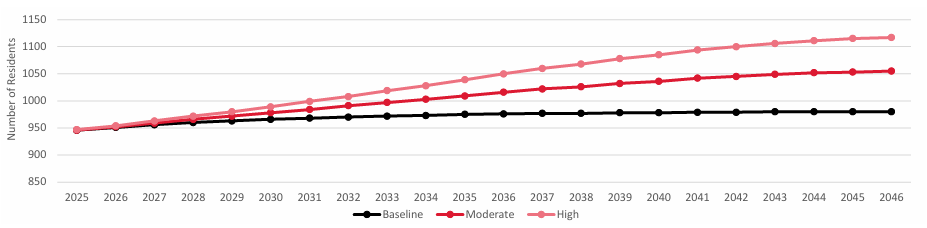
The Structure Plan Inputs report aimed to develop a set of realistic, policy-relevant economic and population scenarios to inform the review. Rather than producing traditional forecasts, the plan applied a workforce-led modelling approach to understand how employment demand, population change, and housing availability interact over time. This enabled the identification of practical growth pathways and the conditions required to support sustainable development over a 10-20 year horizon.
REMPLAN’s Involvement
REMPLAN was commissioned by Flinders Council to deliver an integrated analysis of the Island’s economic, workforce, and housing dynamics. This involved undertaking economic and workforce profiling, analysing housing stock and availability, and developing scenario-based modelling informed by business survey insights and demographic data. REMPLAN applied a workforce-led framework to translate complex data into clear, actionable insights, supporting Council with evidence-based inputs and practical policy considerations to guide long-term planning.
Results
The Flinders Structure Plan Inputs analysis found that while Flinders Island has underlying employment demand, growth is constrained by workforce shortages and limited effective housing availability. The results highlight that future outcomes are contingent on targeted action, with housing diversity and workforce accommodation identified as critical enablers of economic and population growth.
Related Projects
Beyond the Farm Gate: Water Availability and Impact on the Rise Economy and Regional Supply Chains Economic Impact Analysis
Energy & Resources, Strategy & Engagement
Dubbo Region Economic Gaps and Opportunities Report
Strategy & Engagement
Casey Fields Economic and Social Impact Assessment
Sport & Recreation, Strategy & Engagement, Urban Planning & PrecinctsClose