




21 Apr Is Housing Supply Keeping Up With Australia’s Population Growth?
Approved Does Not Mean Delivered
Australia’s population continues to rise, and the latest ABS Estimated Resident Population (ERP) release reinforces the trend: more people, more households, and increasing pressure on housing supply.
But while demand is strengthening, delivery is not always keeping pace.
Across many regions, the gap between population growth and completed dwellings is widening. Approvals remain active, yet fewer projects are progressing through to completion at the speed required, begging the question: how much of your planned housing supply would still proceed under current market conditions?
This creates a fundamental mismatch: growing demand without equivalent supply delivery.
What the Data is Telling Us
When population and housing data are considered together, a more complex picture begins to emerge.
ERP provides the official baseline for understanding growth in Australia. The latest release shows:
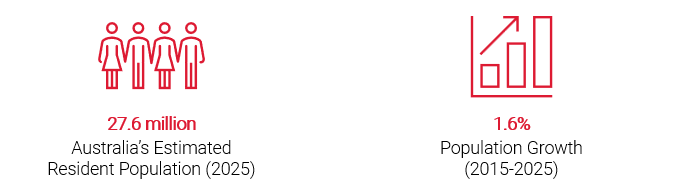
ERP provides the clearest signal of underlying housing demand. When aligned with dwelling approvals and completions, consistent patterns emerge:
- Population growth is strong and sustained
- Approvals indicate future intent, not guaranteed supply
- Completions are uneven and often lagging
At a national and State level, this imbalance is becoming increasingly evident. Population growth continues to build, while housing delivery responds more slowly. Although approvals suggest a pipeline of future supply, the pace of completions is not consistently matching that growth, highlighting ongoing delivery constraints.
At a local level, this divergence is even more pronounced. In many LGAs, the population is growing faster than housing is being delivered. In others, approvals suggest future supply, but feasibility constraints may delay or prevent those projects from proceeding.
The implication is clear: headline supply figures alone are no longer enough.
This creates a timing and delivery gap. By aligning ERP with approvals and completions data, councils can begin to identify where pressure is building and where delivery is more or less likely to occur.
Why Monitoring Housing Delivery Matters and Where It Falls Short
Planning systems have traditionally focused on capacity and how much housing could be delivered. But the challenge has shifted. Councils are increasingly being asked:
- Where will housing actually be delivered?
- How quickly will it come online?
- Will it meet the needs of a growing population?
Answering these questions requires moving beyond static land supply assessments to a live understanding of the housing pipeline.
From Static Supply to Real-Time Insight
This is where REMPLAN’s Residential Supply Monitor (RSM) comes in.
The RSM treats housing supply as a dynamic system rather than a one-off estimate. It tracks how land and dwelling supply evolves over time, capturing:
- Vacant and underutilised land
- Development activity and change
- Realistic dwelling yields based on observed behaviour
- Spatial patterns of supply and constraint
By continuously updating this evidence base, councils gain a clearer view of:
- Where supply is genuinely emerging
- Where delivery is slowing or stalled
- Where capacity may be overstated
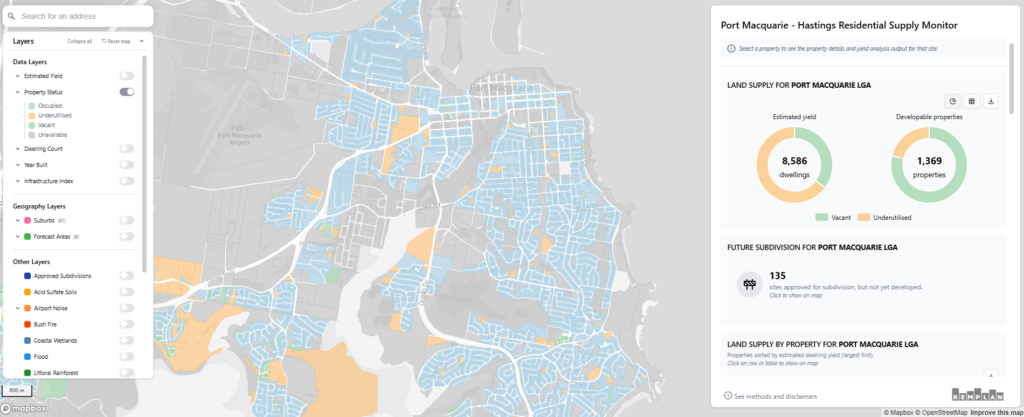
Aligning Population Growth with Real Supply
The real value comes from connecting ERP-driven demand with observed housing supply.
When these datasets are brought together, councils can:
- Identify emerging housing shortfalls earlier
- Prioritise areas where delivery is most likely
- Better align infrastructure planning with real growth
- Strengthen the evidence behind housing strategies
This shifts planning from assumption-based to evidence-led.
Planning for What’s Likely, Not Just What’s Possible
Population growth is not slowing. The pressure on housing will continue to build.
The key question is no longer how much land is zoned or approved—but how much housing will actually be delivered, where, and when.
With tools like the Residential Supply Monitor, councils can move beyond static supply estimates and plan with greater clarity, confidence, and realism.
How Can REMPLAN Support Council?
Explore the Data
If approvals in your area are not translating into delivery, start by understanding your population trends.
→ Explore ERP data for your LGA
Understand Your Housing Pipeline
If you need a clearer picture of what is being delivered, and what isn’t, the Residential Supply Monitor provides a live, evidence-based view of housing supply.
Start the Conversation Today
Contact Teresa Bullock-Smith (via email or Teams) or the REMPLAN Team today for more information about how population growth and housing supply are aligning in your LGA and what it means for your planning decisions.

No Comments